Enfoque climático: un análisis pos-COP31 con lente latinoamericano
This COP was considered the longest, the largest in terms of attendance, and the most co-opted by oil industry lobbyists in history. This scenario was reflected in blockages on central issues, including the target promoted by Türkiye of reaching 35% electricity in final energy consumption by 2035 (35x35); the insufficient political attention given to the risks of overshooting the 1.5°C limit and the determination of actions to address those risks; the question of how to incorporate the COP30 Presidency’s roadmaps for transitioning away from fossil fuels and halting and reversing deforestation by 2030 into the formal negotiation process; and the lack of progress on one of the core elements of the climate regime: international cooperation and climate finance for the developing world.
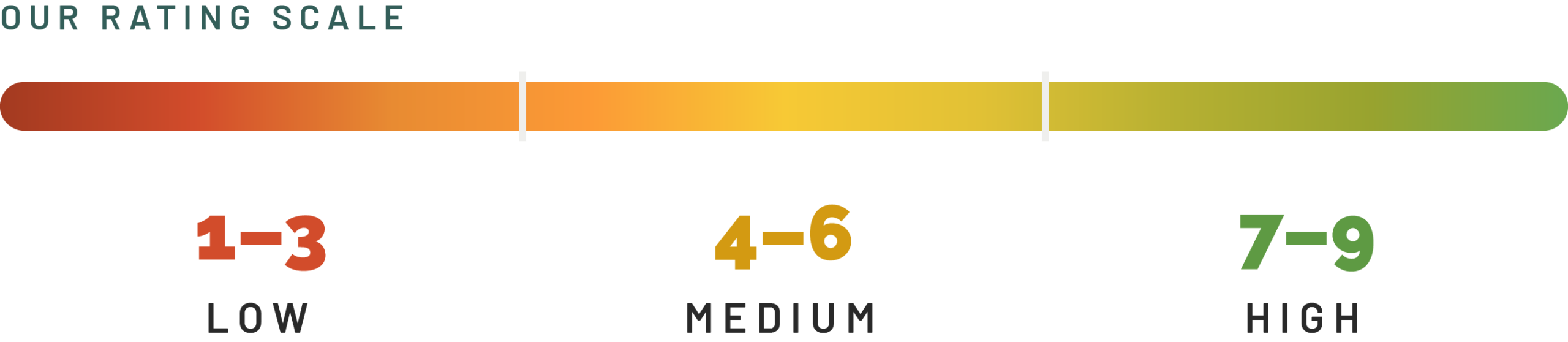
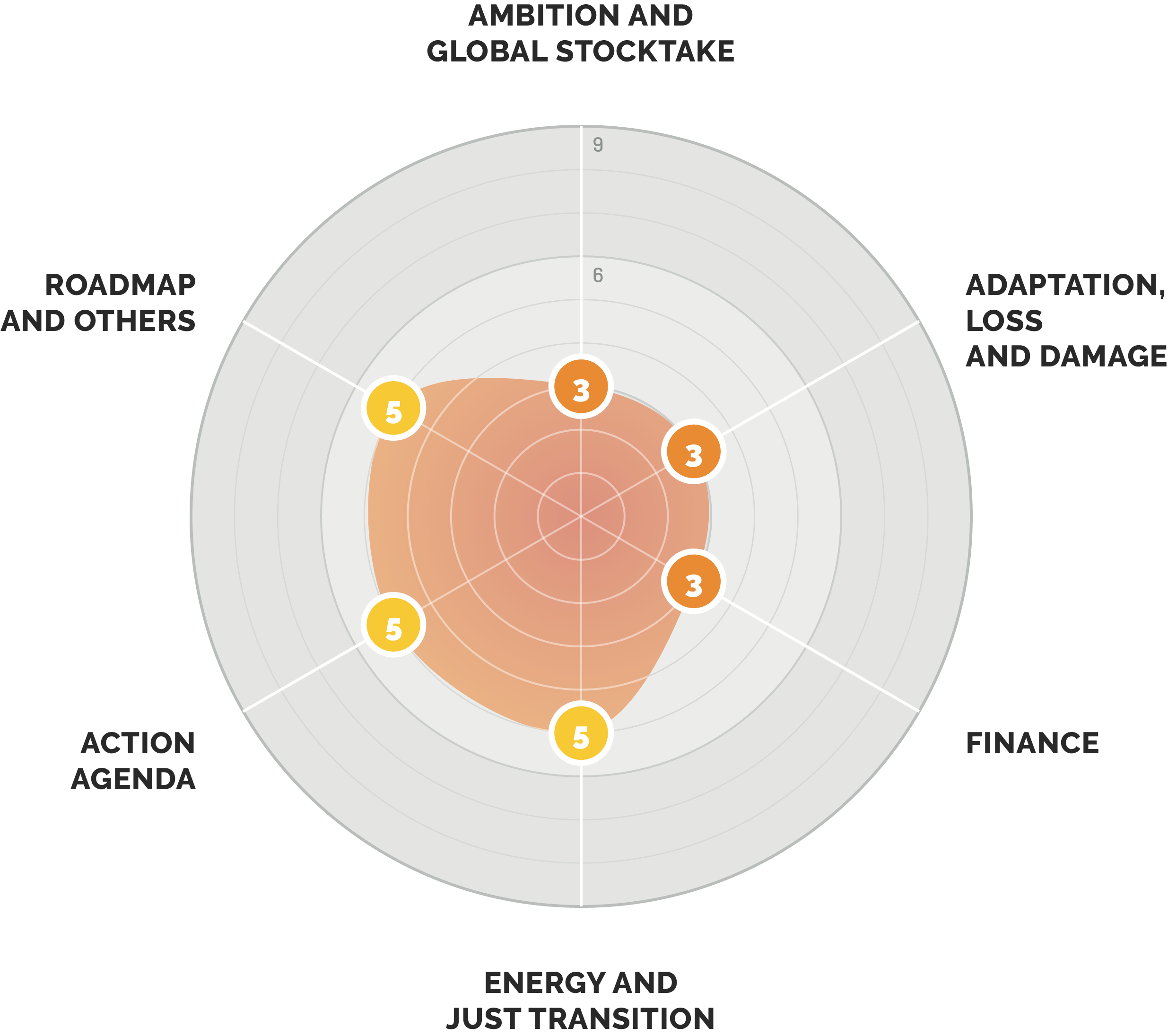
Despite this and the inability to adopt the Antalya Pact (cover decision a cover decision, for those familiar with the topic), more than 60 decisions were adopted at COP31, and some progress was made on voluntary cooperation initiatives in the real economy. However, in the face of the overshooting of the 1.5°C limit, these outcomes accelerate environmental collapse for Latin America and the Global South. We therefore give COP31 a low-to-mid-range score.
Evaluación general

The Paris Agreement nevertheless remains in place, and ahead of COP32 it will be essential to strengthen climate multilateralism as the only space for international negotiations in which the interests of climate justice can be defended.
For a more detailed analysis, below is a critical assessment of six key points from COP31through a Latin American lens, considering the following thematic areas: energy and the Just Transition Work Programme; ambition and the Global Stocktake; adaptation and loss and damage; finance; the Action Agenda; and roadmaps and other issues.
Energy and the Just Transition Work Programme

Context
The COP31 energy agenda had several strands. The most prominent was the 35x35 electrification target put forward by the Presidencies of Türkiye and Australia, which was endorsed by the Action Agenda, with the intention that it would also be reaffirmed in the Antalya Pact. In addition, following the presentation of the global roadmap for transitioning away from fossil fuels by the COP30 Presidency of Brazil, global civil society also pushed for it to be reflected in the Antalya Pact.
Meanwhile, the operationalization (functions, modalities and institutional arrangements) of the Just Transition Mechanism (JTM) and the review of the continuation of the Just Transition Work Programme (JTWP) were the central issues in the just transition negotiations.
Main announcement
The inability to adopt the Antalya Pact ruled out the possibility of the electrification target receiving universal political backing. Nevertheless, under the Action Agenda, the 35x35 commitment secured the support of the International Energy Agency and IRENA, as well as initiatives in more than 150 countries, 37 cities and 260 corporations. Also under the Action Agenda, the Antalya Pact for Green Industrialization was launched to accelerate investment in the decarbonization of energy-intensive sectors such as steel.
The decision on just transition, in turn, included both progress and setbacks. On the one hand, it was agreed that the work programme would be extended until its review in November 2029. An explicit reference to critical minerals was also included in the context of promoting more equitable value chains that foster local value addition and enable developing countries to move towards higher-value segments in regional and global chains. The decision also links just transition in the industrial sector with economic diversification, clean, affordable and reliable energy, and infrastructure such as grids and storage, as well as the role of the circular economy in reducing emissions and South-South cooperation for value creation.
On the other hand, discussions on the operationalization of the JTM will continue in 2027.
Our analysis
The adoption of the 35x35 electrification target exclusively under the Action Agenda, and the inability to include it in the political decision, together with the references to transitioning away from fossil fuels, opens up an important discussion about action in the real economy and the level of detail required to implement it with political backing.
The continuation of the JTWP and the inclusion of critical minerals represent a step forward in consolidating a just transition agenda that incorporates productive transformation, economic diversification, the equitable distribution of benefits, and the closing of asymmetries between developing and developed countries. For the Global South in general, and Latin America in particular, this creates an opportunity to promote value chains that build productive capacities and generate greater local value added, without reproducing models that create dependency or sideline communities and their rights.
However, postponing decisions on the mechanism delays the possibility of having an architecture in place to facilitate technical assistance, financing and cooperation for its implementation..
Ambition and the Global Stocktake

Context
COP31 was unable to move the needle on climate ambition. There were no major announcements of new climate or financial commitments to support transitions in the developing world. In fact,the sum of current commitments (NDCs) is taking us towards a world with global warming of more than 2.4°C, and developed countries arrived in Antalya empty-handed, turning a blind eye to their respective commitments.
Main announcement
The COP political decision, also known as the “cover decision”, was negotiated throughout the two weeks of the climate summit, but ultimately ended without consensus. A large group of countries (Latin American, island, least developed and European countries) objected to its content, preventing its adoption.
What made this decision so contentious? A little bit of everything. It included explicit references to the risks of overshooting the 1.5°C limit and called for increased climate action based on the recommendations of the International Court of Justice. It also included some references to meeting financial targets. In addition, there was a so-called “solutions” section addressing methane emission reductions, the 35x35 electrification target (meaning that by 2035, 35% of final energy use would come from electricity), and a numerical target to increase the use of a technology known as carbon capture, utilization and storage (CCUS). The latter was the breaking point for the decision because, among other things, this technology is used to extract more oil from underground. Had we accepted the text of the decision and allowed this technology to have a quantified target, we would not only have failed to make progress on climate ambition, but would also have taken several steps backwards in global emissions-reduction efforts.
It is worth noting that more than 60 decisions were adopted at this COP on different issues, keeping the Paris Agreement alive and the climate regime afloat.
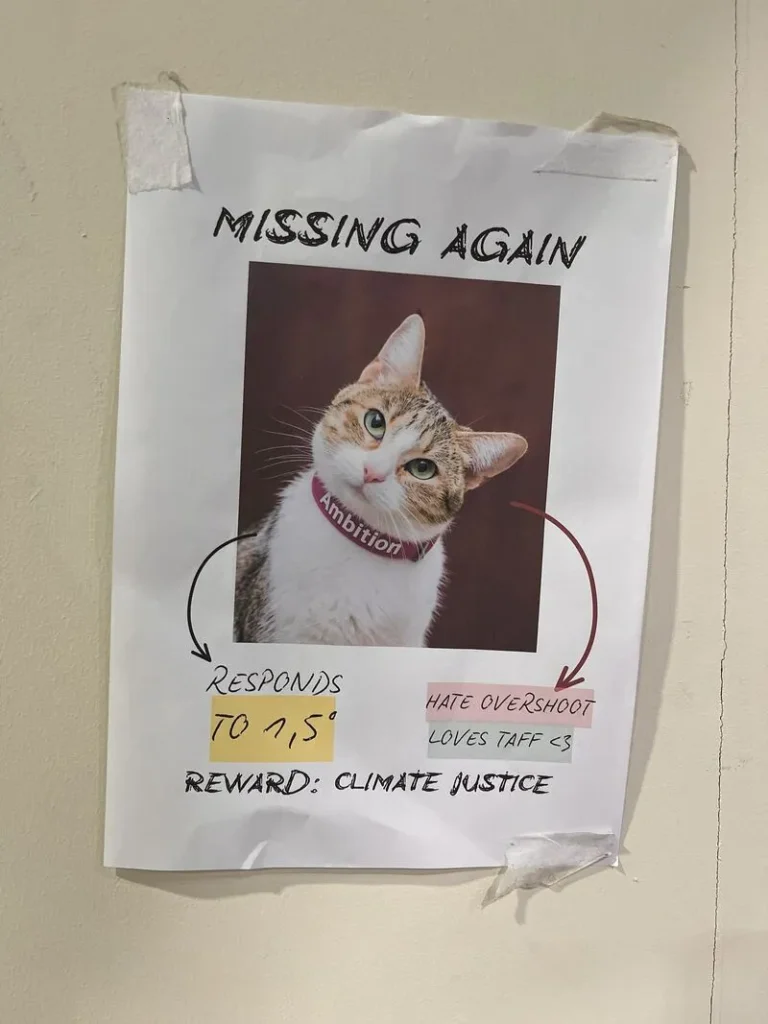
The greatest achievement for climate ambition at COP31 was not moving backwards.
Our analysis
The rejection of the so-called “Antalya Pact” is itself a political actin which the defence of climate justice prevailed. Cover decisions do not determine the success or failure of a COP. The absence of this political decision nevertheless sends a message that we must keep working through the negotiation system, but above all outside it, implementing the Paris Agreement through coalitions, alliances, roadmaps and other spaces that allow us to promote the climate transitions that are needed, as we approach the beginning of the second Global Stocktake.
From our corner of the planet, one of the few rays of hope at the COP was Panama calling out the coercion exerted by the oil industry within the system.
Adaptation and loss and damage
Context
COP31 was expected to define the outstanding technical and political work on the 59 indicators of the Global Goal on Adaptation (GGA); address the financing gap for implementing national adaptation plans; resolve disputes over the governance of the Adaptation Fund and its transition to the Paris Agreement; and provide guidance on the work of the Santiago Network and the Fund for Responding to Loss and Damage. In parallel, the main headline issue on the agenda was to clarify the commitment to triple adaptation finance by 2035, particularly its baseline, scope and monitoring.
Main announcement
COP31 closed without substantive progress towards making the commitment to triple adaptation finance by 2035 a reality, one of the main expectations of developing countries. No baseline, amount or implementation pathway was agreed. However, there were important outcomes on other fronts:
- Global Goal on Adaptation: the establishment of a technical group was agreed to advance work on the methodologies for the 59 Belém indicators and continue the Belém–Addis Ababa political process.
- Adaptation Fund: a prolonged dispute over representation on its Board was resolved, maintaining the majority held by developing countries, and progress was made on the transition to the Paris Agreement. A significant agreement was also reached to channel revenues from the Article 6.4 carbon mechanism.
- Least developed countries: a platform was created within the Least Developed Countries Expert Group (LEG) to facilitate the transformation of national adaptation plans into bankable projects.
- Fund for Responding to Loss and Damage: progress was made in its operationalization, with a first cycle that received 176 requests from 119 countries. However, the resources available remain insufficient in relation to demand.
- Santiago Network: guidance was provided to improve technical assistance, although its response capacity remains limited.
By contrast, the overall negotiations on national adaptation plans ended without a substantive agreement , and deadlocks persisted in the review of the Adaptation Committee.
Our analysis
COP31 delivered important institutional progress on adaptation, but without proportional financial support. The agreements on GGA indicators, the governance of the Adaptation Fund and the implementation platform for NAPs in least developed countries are concrete outcomes. There are also signs of operational progress at the Fund for Responding to Loss and Damage. However, the lack of new financial commitments and the gap between available resources and needs continue to limit their reach. The failure to agree on tripling adaptation finance reveals a deeper problem. Clarifying the baseline, scope and monitoring mechanisms was essential, but the differences go beyond this commitment and point to the reopening of discussions that had previously been settled under the new climate finance goal, regarding responsibilities, sources and the quality of finance. These disputes run through the entire climate agenda and continue to hinder its implementation.

Finance
Context
At the “Implementation COP”, ”, the expectation was to accelerate the fulfilment of climate finance commitments.. These included the NCQG, which commits developed countries to take the lead in mobilizing USD 300 billion annually by 2035, and the update to the Baku to Belém Roadmap, which seeks to implement the mobilization of at least USD 1.3 trillion per year for developing countries over the same period.
Two processes remained open after Belém. The first was the Climate Finance Work Programme (CFWP), in which developing countries expected to discuss Article 9.1 of the Paris Agreement, which obliges developed countries to provide public finance to developing countries. The second was the dialogue on Article 2.1(c), which seeks to align financial flows with the objectives of the Agreement.
The context was adverse: developed countries arrived in Antalya announcing that they would not provide additional financing, amid cuts to multilateral climate funds and the absence of a US counterpart. Globally, however, climate finance flows increased by 32% over the last two-year period, reaching an annual average of USD 1.9 billion.
Main announcement
The finance outcomes were mainly procedural. Under the CFWP, working modalities were agreed to begin in 2027, directing discussions towards Article 9 as a whole and not exclusively towards the provision of finance by developed countries to developing countries, as established in Article 9.1. The decision on Article 2.1(c) acknowledged the need for safeguards and participation-related problems in the Xingu Dialogues, without creating reporting obligations.
Regarding multilateral climate funds, the guidance to the Green Climate Fund (GCF) expressed concern about cuts by developed countries, reaffirmed the role of grants and adopted the new regional office in Panama, but did not set targets for its third replenishment. The decision on the Fund for Responding to Loss and Damage (FRLD) acknowledged that its available USD 342 million is insufficient compared with the USD 2.8 billion requested by 119 countries. Meanwhile, the decision on the Global Environment Facility (GEF) was blocked by an objection from Ukraine, which requested that financing also reach countries in conflict.
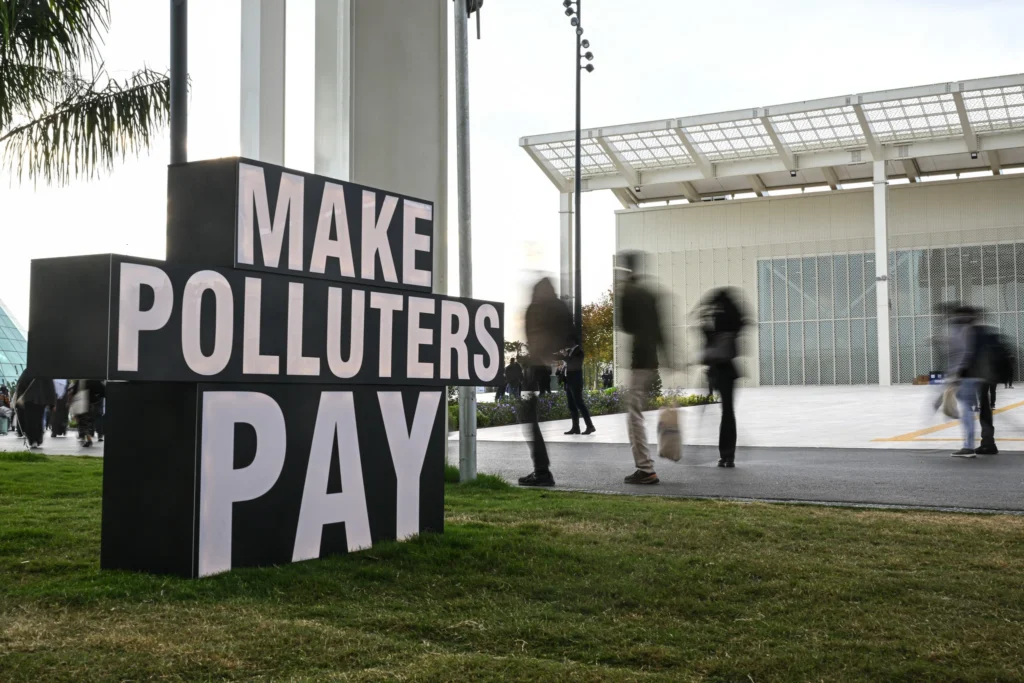
As for funding announcements, COP31 saw USD 141.5 million announced for the Adaptation Fund, the FRLD, the Least Developed Countries Fund and the Special Climate Change Fund, 35% less than at COP30 (USD 216.2 million).
Our analysis
Because COP31’s finance outcomes were procedural, they did not establish new figures or implementation pathways. Although the decisions acknowledge the problem by describing the gaps, they do not establish commitments to close them. Implementation is not viable without financing. Every year that financial commitments are postponed or not fulfilled, trust in the multilateral system is weakened and the possibility of delivering mitigation, adaptation, and loss and damage action becomes more difficult. The impacts of climate change, meanwhile, continue to occur and fall on the most vulnerable populations, which continue to pay a debt that is not theirs.
In 2027, with the launch of the CFWP and the replenishment of the GCF, Latin America must demand public, concessional, predictable and accessible finance for all developing countries.
Action Agenda
Context
At COP30, the Action Agenda was reorganized into six thematic areas and 30 objectives linked to the first Global Stocktake, to facilitate the implementation of climate commitments through cooperation among governments, businesses, financial institutions, cities and civil society. This reorganization complemented the proposal for a two-tier model of multilateralism, in which negotiations would establish commitments and political guidance, while voluntary initiatives would contribute to their implementation. COP31 was expected to consolidate this model and link it to national priorities through negotiated outcomes.
Main announcement
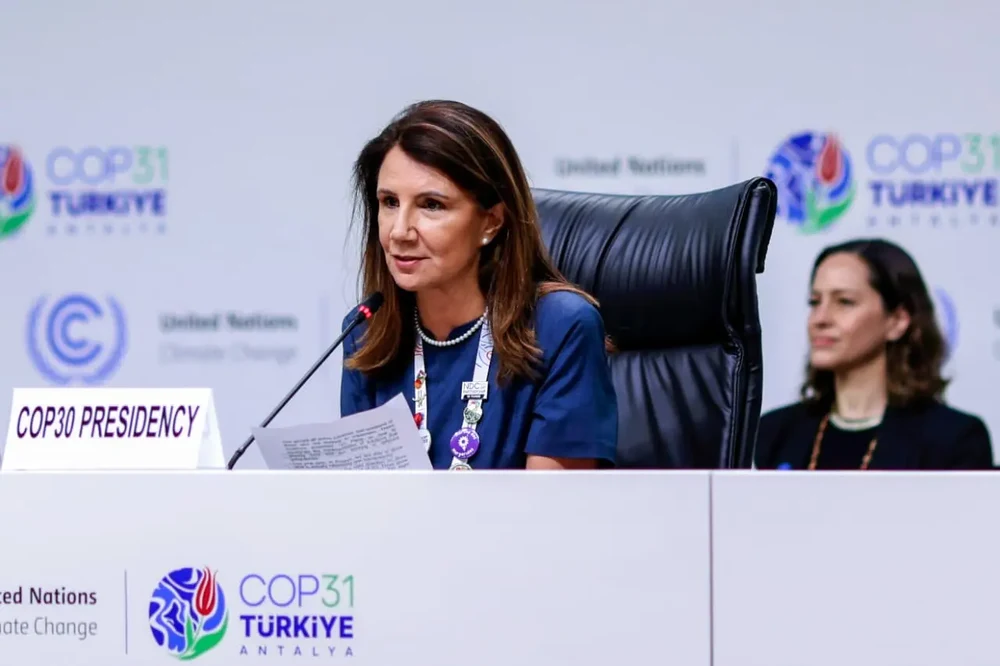
COP31 continued the Action Agenda as a space for cooperation and the promotion of voluntary initiatives, with specific advances in the implementation architecture. The Global Implementation Accelerator (GIA) was operationalized. Starting in 2027, it will annually select two solutions from among the more than 120 Plans to Accelerate Solutions (PAS) and concentrate technical and financial support to advance them. In addition, the Turkish Presidency launched BRIDGE, which is intended to connect priorities and projects included in NDCs with financial and implementation partners.
The Action Agenda presented the Electrification Delivery Package, which brings together initiatives from more than 150 countries and the European Union, 37 cities and more than 260 companies around the 35x35 commitment. Other notable announcements included more than USD 480 million in philanthropic funding to reduce methane and other super-pollutants, and the endorsement by 23 countries of the Antalya Action Plan for integrated wildfire management. On forests, new contributions raised the resources committed to the TFFF to USD 8.3 billion. These developments reflect the Action Agenda’s convening capacity across different areas.
However, questions remain about the scale of the efforts mobilized by the Action Agenda and its ability to constitute an effective second tier of multilateralism.. The Yearbook 2026 documented progress on 87% of the PAS presented at COP30, but also reported a gap in measuring concrete results and impacts.
It is worth noting that the first drafts of the cover decision recognized the Action Agenda, the GIA and the BRIDGE initiative, and invited countries to appoint voluntary national focal points for implementation. This, too, failed to materialize because the Antalya Pact could not be adopted.
Our analysis
The consolidation of the Action Agenda is valuable for following up on the outcomes of the Global Stocktake and facilitating cooperation among countries and other actors. However, the credibility of the two-tier model will depend on its ability to mobilize means of implementation at the scale required across all regions of the planet, respond effectively to national priorities and demonstrate verifiable impacts. For Latin America, the challenge is particularly relevant. Dependence on emissions-intensive activities and fiscal and investment constraints limit what voluntary efforts can achieve on their own. The region needs international political signals capable of guiding economic transformations, as well as effective access to finance and technology. If implementation progressively shifts towards voluntary commitments without strong links to negotiated decisions, the risk will increase of multiplying initiatives while structural barriers persist. COP32 will have to demonstrate that the two tiers can be brought closer together and developed in tandem to accelerate implementation of the Paris Agreement and limit the magnitude and duration of the 1.5°C overshoot.
Roadmaps and other issues
Context
At the close of its COP in 2025, the COP30 Presidency decided to present two global Roadmaps to respond to the mandates of the Global Stocktake, which establish the need to to halt and reverse deforestation and forest degradation by 2030, as well as to to transition away from fossil fuels fuels (TAFF). At COP31, Brazil presented both roadmaps.
Main announcement
The most notable aspect of these roadmaps was their high-profile presentation by the COP30 Presidency in Antalya, generating significant interest among governments and non-state actors in supporting their implementation. Unfortunately, despite having appeared in early drafts of the cover decision, the roadmaps were not referenced in any official COP document.
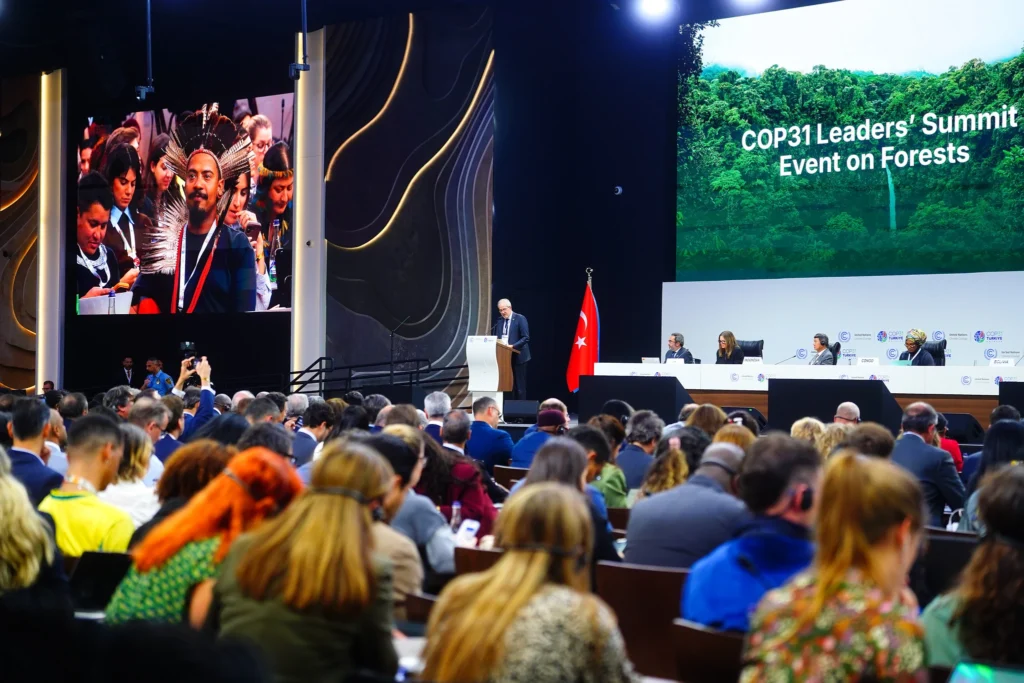
On the forest roadmap, events such as the Leaders’ Summit on Forests Forests helped recognize the importance of halting and reversing deforestation, and referred to the UN Decade of Afforestation and Reforestation (2027–2036), progress by the Intergovernmental Committee on Land Tenure (ILTC), and new funding raised for the TFFF (USD 465 million, as well as a doubling in the number of sponsors).
Meanwhile, discussions around the TAFF roadmap were addressed through national initiatives and coalitions. Around 27 countries have announced plans to transition away from fossil fuels. In addition, 30 Global South countries promoted a binding treaty to advance this issue, and a significant number of meetings were held during the COP to continue the Santa Marta process on TAFF.
Our analysis
The roadmaps lost significant political momentum because they were not integrated into the negotiations. Given the importance of forests and the energy transition, having clear pathways and policies in these areas is crucial to implementing the Paris Agreement and responding to the overshoot of 1.5°C. At COP31, some countries reaffirmed their commitments on these issues, and it is expected that they will continue to gain momentum through other channels, such as the Action Agenda and the second TAFF Conference, to be held in 2027. However, political leadership needs to be strengthened beyond Brazil, the COPs, and voluntary spaces and initiatives.
Subscribe to Transforma
Stay up to date with our articles.